

Optimizing fleet operations begins with a strategic decision that many logistics managers overlook: selecting the right cargo truck for your specific operational requirements. The choice of cargo truck directly influences fuel efficiency, maintenance costs, payload capacity, driver satisfaction, and ultimately, your bottom line. In today's competitive transportation industry, fleet optimization is no longer about simply having vehicles on the road—it's about deploying the most suitable cargo truck models that align with route characteristics, cargo types, regulatory requirements, and long-term operational goals. Understanding how the right cargo truck selection impacts overall fleet performance requires examining vehicle specifications, total cost of ownership, operational flexibility, and integration with existing logistics systems.
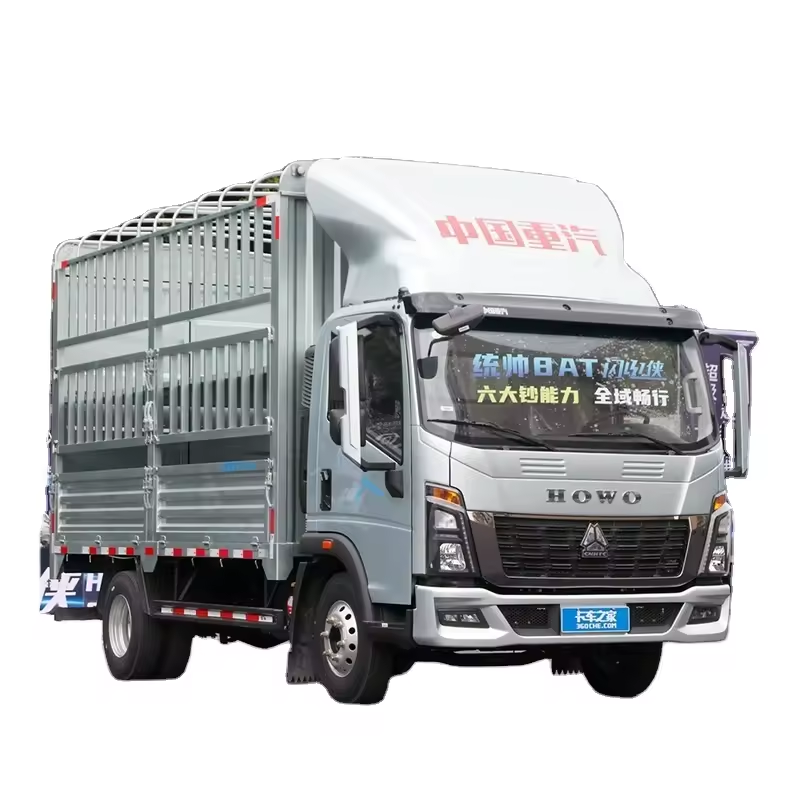
Fleet optimization through proper cargo truck selection is fundamentally about matching vehicle capabilities with operational demands. The wrong cargo truck can lead to underutilized capacity, excessive fuel consumption, frequent breakdowns, and dissatisfied drivers, all of which erode profitability. Conversely, the right cargo truck becomes a strategic asset that enhances route efficiency, reduces per-mile costs, improves delivery reliability, and supports scalable growth. This comprehensive approach to cargo truck selection involves analyzing payload requirements, evaluating engine performance characteristics, assessing maintenance accessibility, considering driver ergonomics, and forecasting how each vehicle will perform across diverse operating conditions throughout its service life.
The foundation of optimizing fleet operations with the right cargo truck starts with accurately matching payload capacity to your actual shipping volumes and weight distributions. Many fleet managers make the critical error of either oversizing or undersizing their cargo truck selections, both of which create operational inefficiencies. An oversized cargo truck consumes unnecessary fuel, incurs higher registration and insurance costs, and may face access restrictions in urban delivery zones. Conversely, an undersized cargo truck forces multiple trips, increases driver hours, accelerates wear patterns, and creates delivery delays. The optimal cargo truck selection process begins with detailed analysis of historical shipping data, identifying typical load weights, volume characteristics, and frequency patterns across different routes and customer segments.
Beyond basic weight capacity, cargo truck configuration plays an equally important role in operational efficiency. Box-style cargo trucks offer weather protection and security for valuable goods, while flatbed configurations provide loading flexibility for oversized items. The right cargo truck configuration reduces loading and unloading time, minimizes cargo damage, and improves driver productivity. Fleet optimization requires evaluating how cargo truck body styles align with your product mix, customer delivery requirements, and handling equipment availability. For operations handling diverse cargo types, investing in multiple specialized cargo truck configurations often delivers better overall efficiency than attempting to use one universal vehicle type for all applications.
Engine selection represents one of the most impactful decisions in cargo truck acquisition for fleet optimization. The right engine specification balances power delivery with fuel economy, considering factors like typical load weights, terrain characteristics, average trip distances, and idle time requirements. Modern diesel cargo truck engines offer various power ratings and torque curves designed for specific duty cycles. A cargo truck operating primarily in flat highway conditions requires different engine characteristics than one navigating mountainous terrain or making frequent urban stops. Fleet optimization demands matching engine specifications to actual operating conditions rather than simply selecting the highest horsepower rating available.
Fuel efficiency directly translates to operating cost reduction, making it a central consideration in cargo truck selection for fleet optimization. However, fuel economy must be evaluated in context with performance requirements and total cost of ownership. A cargo truck with slightly lower fuel efficiency but superior reliability and lower maintenance costs may deliver better long-term value. Modern cargo truck engines incorporate technologies like turbocharging, electronic fuel injection, and variable valve timing to optimize combustion efficiency. When selecting the right cargo truck, fleet managers should request detailed fuel consumption data under conditions similar to their operational profile, including laden and unladen operation, various speed ranges, and different terrain types. This data-driven approach to cargo truck selection ensures realistic performance expectations and accurate operating cost projections.
The right cargo truck for fleet optimization must offer practical maintenance accessibility and be supported by a robust service network. Downtime directly impacts fleet productivity, making maintenance efficiency a critical selection criterion. Some cargo truck models feature service-friendly designs with easily accessible filters, fluid check points, and component locations that reduce routine maintenance time. When evaluating cargo truck options, fleet managers should assess factors like service interval schedules, parts availability, technician training requirements, and the geographic distribution of authorized service centers. A cargo truck with excellent initial specifications but limited service support can become a liability that disrupts operations and inflates unexpected repair costs.
Total maintenance cost over the vehicle lifecycle significantly influences the true value proposition of any cargo truck selection. Fleet optimization requires looking beyond acquisition price to evaluate warranty coverage, expected component longevity, and historical reliability data. The right cargo truck demonstrates proven durability in similar applications, with transparent maintenance schedules and readily available technical support. Modern telematics systems integrated into cargo truck platforms enable predictive maintenance strategies, alerting fleet managers to potential issues before they cause breakdowns. When comparing cargo truck options, requesting detailed maintenance cost projections and speaking with existing operators of the same models provides valuable insights into long-term ownership realities that influence overall fleet optimization success.
Optimizing fleet operations requires detailed analysis of route characteristics and selecting cargo truck specifications that excel in those specific conditions. Routes with extensive highway miles benefit from cargo trucks optimized for fuel efficiency at sustained speeds, featuring aerodynamic designs, overdrive transmissions, and cruise control systems. Urban delivery routes demand different cargo truck attributes, including tight turning radius, excellent visibility, responsive acceleration for traffic integration, and durable suspension systems for frequent stop-and-go operation. The right cargo truck selection process maps vehicle capabilities against actual route demands, recognizing that one cargo truck specification rarely serves all operational contexts equally well.
Terrain considerations significantly influence cargo truck performance and operational costs. Mountainous or hilly routes require cargo trucks with higher power-to-weight ratios, robust braking systems including engine brakes or retarders, and transmission configurations that provide appropriate gear ranges for both climbing and descending. Flat terrain operations can utilize cargo trucks optimized more heavily for fuel economy with less emphasis on peak power output. Fleet optimization in geographically diverse operations might require segmenting the fleet by route type, assigning specific cargo truck models to routes where their design characteristics deliver maximum advantage. This strategic matching of cargo truck capabilities to route requirements represents a sophisticated approach to fleet optimization that yields measurable improvements in fuel consumption, maintenance costs, and delivery reliability.
Fleet operations handling variable load types and weights require cargo truck selections that offer operational flexibility without sacrificing efficiency. The right cargo truck for such applications features adjustable cargo securing systems, appropriate gross vehicle weight ratings that accommodate peak loads without constant overloading, and configurations that facilitate diverse cargo handling approaches. Some operations benefit from cargo truck platforms with removable or interchangeable bodies, allowing rapid configuration changes between box, flatbed, or specialized hauling setups. This flexibility enables a smaller fleet to handle more diverse customer requirements, improving asset utilization and revenue potential per cargo truck unit.
However, flexibility must be balanced against specialization efficiency. A highly flexible cargo truck often comes with compromises in maximum efficiency for any single application. Fleet optimization requires understanding your actual load variability and determining whether specialized cargo trucks assigned to specific cargo types deliver better overall performance than general-purpose vehicles. Detailed analysis of shipping patterns, seasonal variations, and customer mix helps identify the optimal balance. For many operations, a core fleet of specialized cargo trucks supplemented by a smaller number of flexible units provides the best combination of efficiency and adaptability. The right cargo truck selection strategy reflects your specific operational reality rather than theoretical flexibility that remains unused in practice.
Driver satisfaction and safety directly impact fleet optimization through effects on retention, productivity, and accident costs. The right cargo truck selection includes evaluation of cab comfort, visibility, control accessibility, and safety technologies. Ergonomic cargo truck designs reduce driver fatigue during long shifts, improving concentration and decision-making quality. Features like adjustable seating, intuitive dashboard layouts, effective climate control, and low noise levels contribute to driver comfort that translates into better performance and longer employment tenure. High driver turnover creates recruitment costs, training expenses, and operational disruptions that undermine fleet efficiency regardless of cargo truck mechanical specifications.
Modern safety technologies available in cargo truck platforms deliver measurable benefits for fleet optimization. Advanced braking systems, stability control, collision warning systems, and blind spot monitoring reduce accident frequency and severity. While these features add to initial cargo truck acquisition costs, the return on investment through reduced insurance premiums, lower accident repair expenses, and decreased liability exposure often justifies the additional investment. Fleet optimization requires a holistic view of cargo truck value that includes safety performance alongside traditional efficiency metrics. When drivers feel safe and supported by their cargo truck equipment, they deliver better customer service, exercise better judgment, and represent the company more professionally, all contributing to improved operational outcomes.
Fleet optimization through cargo truck selection demands rigorous total cost of ownership analysis that extends far beyond initial purchase price. A lower-cost cargo truck that experiences frequent breakdowns, delivers poor fuel economy, or requires replacement sooner than expected often costs significantly more over its operational life than a higher-quality alternative with greater initial investment. The right cargo truck selection process establishes clear evaluation criteria that weight factors like expected service life, projected maintenance costs, fuel consumption rates, resale value, and productivity contributions. This comprehensive financial modeling reveals the true cost per mile or cost per delivery that determines actual fleet efficiency.
Depreciation patterns vary significantly across cargo truck brands, models, and configurations, influencing long-term fleet value. Some cargo truck platforms maintain stronger resale values due to reputation for reliability, parts availability, or market demand characteristics. When planning fleet renewal cycles, these residual value differences impact the effective cost of vehicle ownership. Fleet optimization strategies that incorporate planned replacement schedules benefit from selecting cargo truck models with predictable depreciation curves and established secondary markets. The right cargo truck choice considers not just initial acquisition and operating costs, but also the eventual disposition value that offsets replacement expenses when vehicles reach the end of their optimal service period in your fleet.
The financial structure of cargo truck acquisition significantly impacts fleet optimization and operational flexibility. Purchase, lease, and rental options each offer distinct advantages depending on business circumstances, growth projections, and capital availability. Purchasing cargo trucks provides maximum long-term cost efficiency and asset ownership but requires substantial upfront capital. Leasing arrangements reduce initial cash outlay and provide flexibility for fleet composition changes but typically cost more over the full vehicle lifecycle. The right cargo truck acquisition approach aligns with your financial strategy, considering factors like tax implications, balance sheet preferences, and how quickly your operational requirements might evolve.
Fleet optimization sometimes requires phased cargo truck acquisition strategies that balance immediate operational needs with financial constraints. Rather than attempting complete fleet replacement simultaneously, strategic managers identify priority replacement candidates based on factors like maintenance cost trends, fuel efficiency gaps compared to newer models, and reliability issues affecting customer service. This prioritized approach to cargo truck renewal maintains operational effectiveness while managing cash flow demands. For growing operations, adding new cargo truck capacity through a mix of ownership models—purchasing for core stable routes while leasing for expansion testing—provides flexibility that supports sustainable growth without excessive financial risk.
Modern fleet optimization increasingly depends on technology integration that extends cargo truck value beyond basic transportation functions. Telematics systems, GPS tracking, electronic logging devices, and onboard diagnostics transform cargo trucks into data sources that drive operational improvements. When selecting cargo trucks, evaluating technology compatibility and integration capabilities ensures that vehicles support rather than hinder fleet management system effectiveness. The right cargo truck for contemporary operations includes standardized communication protocols, accessible data interfaces, and proven compatibility with fleet management software platforms already in use or planned for implementation.
Future regulatory requirements and technology trends should influence cargo truck selection decisions to avoid premature obsolescence. Emissions standards continue evolving, with some regions implementing restrictions on older engine technologies. Safety mandate expansions may require features like electronic stability control or automatic emergency braking in commercial vehicles. Fleet optimization requires anticipating these regulatory trajectories and selecting cargo truck models that either already meet emerging requirements or can be retrofitted cost-effectively. While impossible to predict all future changes, choosing cargo truck platforms from manufacturers with strong engineering resources and commitment to regulatory compliance reduces the risk of assets becoming legally or commercially obsolete before their mechanical service life concludes.
Effective fleet optimization requires establishing clear key performance indicators that measure how well selected cargo trucks deliver against operational expectations. Fundamental metrics include fuel consumption per mile or per ton-mile, maintenance cost per operating hour, payload utilization rates, on-time delivery percentages, and driver satisfaction scores. These cargo truck performance indicators provide objective evidence of whether vehicle selections align with operational requirements or reveal gaps requiring adjustment. The right cargo truck selection process doesn't end at acquisition—it includes ongoing monitoring that validates initial decisions and identifies opportunities for continuous improvement through better vehicle specifications or operational practices.
Comparative analysis across cargo truck units within the fleet reveals performance variations that inform future acquisition decisions. When multiple cargo trucks operate similar routes but demonstrate different fuel economy or maintenance cost patterns, detailed investigation often uncovers factors like driver behavior differences, maintenance practice variations, or genuine vehicle quality disparities. Fleet optimization uses this data to refine cargo truck selection criteria, identify training opportunities, and adjust maintenance protocols. Modern telematics systems automate much of this data collection, providing fleet managers with near real-time performance dashboards that highlight cargo trucks or routes requiring attention. This data-driven approach transforms cargo truck management from reactive problem-solving to proactive optimization based on empirical evidence.
Fleet optimization with the right cargo truck selection is not a one-time achievement but an ongoing process of refinement and adaptation. Operating conditions change, customer requirements evolve, and cargo truck technologies advance, all creating opportunities for improvement. Establishing regular fleet performance reviews that analyze cargo truck efficiency data, driver feedback, maintenance trends, and customer satisfaction metrics ensures that vehicle selections remain aligned with business needs. These reviews might reveal that certain cargo truck models consistently outperform others in specific applications, guiding future acquisition decisions toward proven performers while identifying underperforming units for early replacement or reassignment.
Driver input provides invaluable perspective on cargo truck performance that purely quantitative data cannot capture. Regular feedback sessions where drivers discuss vehicle strengths, operational challenges, and suggested improvements yield insights into practical cargo truck effectiveness. Drivers often identify minor issues that, if addressed early, prevent major failures or recognize operational techniques that improve efficiency. Fleet optimization that incorporates this human expertise alongside technical performance data develops more nuanced understanding of what makes the right cargo truck for specific applications. This collaborative approach also increases driver engagement and investment in fleet efficiency goals, creating cultural alignment around continuous improvement that extends beyond vehicle selection to encompass operational practices, maintenance discipline, and customer service quality.
Long-term fleet optimization requires strategic planning regarding fleet size, composition, and renewal cycles based on business growth projections and market trends. The right cargo truck strategy considers not just individual vehicle specifications but the overall fleet mix that provides operational flexibility while maintaining efficiency. Some operations benefit from standardizing on fewer cargo truck models to simplify parts inventory, technician training, and operational procedures. Others require diverse cargo truck types to serve varied customer segments or geographic markets effectively. Strategic fleet composition planning balances standardization benefits against specialization advantages, guided by actual operational data rather than theoretical preferences.
Scenario planning helps fleet managers prepare for various business futures and evaluate how different cargo truck selection strategies support or constrain potential growth paths. If business expansion into new geographic markets appears likely, selecting cargo truck models with established service networks in those regions reduces implementation risk. If customer demand trends toward heavier average shipments, gradually shifting fleet composition toward higher-capacity cargo trucks positions the operation to serve evolving needs without scrambling for emergency capacity additions. This forward-looking approach to cargo truck selection ensures that fleet composition evolves deliberately in alignment with strategic business direction rather than reacting hastily to immediate pressures without considering long-term implications for operational efficiency and financial performance.
Prioritize factors that directly impact your specific operational requirements and total cost of ownership. Begin with payload capacity and configuration matching to ensure the cargo truck can efficiently handle your typical loads without being oversized or undersized. Evaluate engine performance and fuel efficiency based on your actual route characteristics, terrain, and duty cycles. Consider maintenance accessibility, parts availability, and service network coverage in your operating areas. Assess driver ergonomics and safety features that affect retention and accident costs. Finally, conduct thorough total cost of ownership analysis that includes acquisition costs, projected fuel expenses, expected maintenance costs, depreciation patterns, and productivity contributions. The right cargo truck balances all these factors according to your operation's unique priorities rather than maximizing any single specification.
Cargo truck selection profoundly influences fleet operational costs through multiple pathways. Fuel efficiency directly affects per-mile operating expenses, with differences of even one or two miles per gallon creating substantial cost variations across thousands of annual miles per vehicle. Maintenance costs vary significantly between cargo truck models based on component quality, design accessibility, and parts pricing. Reliability differences impact downtime costs, including lost revenue, customer service disruptions, and emergency repair expenses. Payload capacity matching affects trip efficiency—the right cargo truck completes deliveries in fewer trips, reducing labor hours and fuel consumption. Driver satisfaction influenced by cargo truck ergonomics and features affects recruitment and retention costs. Insurance premiums reflect cargo truck safety records and technology features. Resale values vary by brand and model, affecting net ownership costs. Comprehensive cargo truck selection considers all these cost dimensions rather than focusing exclusively on acquisition price, recognizing that seemingly minor specification differences accumulate into major financial impacts over vehicle lifecycles.
The optimal approach depends on your operational diversity and the trade-offs between standardization efficiency and specialization performance. Fleet standardization on fewer cargo truck models delivers advantages including simplified parts inventory, reduced technician training requirements, operational procedure consistency, potentially better volume purchase pricing, and easier vehicle swapping between routes when needed. However, standardization works best when your operations have relatively uniform requirements that a single cargo truck specification can serve effectively. If your operation handles significantly different cargo types, serves diverse geographic markets with varying terrain, or manages both urban delivery and long-haul routes, specialized cargo truck configurations for each application type typically deliver better overall efficiency despite losing some standardization benefits. Many successful fleets adopt a hybrid approach, standardizing within operational segments—using one cargo truck model for all urban routes, another for highway operations, and a third for specialized applications—achieving standardization benefits while maintaining appropriate specialization. Evaluate your actual operational diversity and calculate whether specialized cargo trucks' performance advantages outweigh standardization's cost benefits in your specific context.
Conduct formal cargo truck selection criteria reviews annually as part of strategic fleet planning, with informal monitoring ongoing throughout the year. Annual reviews should analyze accumulated performance data from your current fleet, assess whether cargo truck specifications continue matching operational requirements, evaluate new technologies or models that might offer advantages, and adjust selection criteria based on lessons learned from recent acquisitions. However, maintain continuous awareness of cargo truck performance through regular monitoring of key efficiency metrics, driver feedback, maintenance trends, and customer satisfaction indicators. Significant business changes—such as new customer contracts with different delivery requirements, geographic expansion, cargo type shifts, or regulatory changes—trigger immediate selection criteria reviews regardless of the annual schedule. Technology advances in areas like fuel efficiency, safety systems, or telematics capabilities may justify accelerated replacement of older cargo trucks even if they remain mechanically sound. The right approach balances stability in fleet composition with responsiveness to genuinely significant changes in operational requirements, technology capabilities, or business strategy that warrant cargo truck selection criteria modifications.
Copyright © 2026 Shandong TruckLink Exporters Co.,Ltd.All rights reserved.
 EN
EN
 AR
AR
 BG
BG
 HR
HR
 CS
CS
 DA
DA
 NL
NL
 FI
FI
 FR
FR
 DE
DE
 EL
EL
 HI
HI
 JA
JA
 KO
KO
 PL
PL
 PT
PT
 RO
RO
 RU
RU
 ES
ES
 TL
TL
 ID
ID
 SR
SR
 UK
UK
 VI
VI
 SQ
SQ
 TH
TH
 TR
TR
 AF
AF
 MS
MS
 HY
HY
 AZ
AZ
 KA
KA
 BN
BN
 LO
LO
 LA
LA
 MN
MN
 MY
MY
 KK
KK
 UZ
UZ
 KY
KY